
What to Expect During a Demolition Project
A demolition project involves far more than taking down walls or clearing an old structure. Homeowners and business owners benefit from knowing how the process works, what safety measures are involved, and how long each stage typically takes. Go Junk Go helps clients understand the full demolition workflow so they can prepare confidently and keep their project on schedule.
Initial Planning and Site Inspection
Every demolition project begins with a detailed site inspection. A demolition contractor walks through the property to inspect the structure, identify load bearing points, and assess any hazards that may affect the sequence of work. During this stage, utilities such as gas, electricity, and water are reviewed to ensure safe disconnection before demolition begins.
The contractor also checks for hazardous materials like asbestos, mold, or outdated wiring. These hazards must be identified early because they often require certified removal. The inspection helps define the scope of the work, establish timelines, determine equipment needs, and flag any structural concerns that may change the approach.
Permits and Safety Requirements
Most demolition projects require a demolition permit, especially when removing full structures or exterior walls. Depending on the scope, the city may also require engineering reviews, zoning checks, and proof of utility shutoffs before granting approval. Contractors handle the permit process, which helps clients avoid delays or compliance issues.
Safety is central to every demolition site. Crews set up barriers, caution tape, and clearance zones to prevent unauthorized access. Workers use proper personal protective equipment, and regular safety checks are performed to ensure the structure remains stable until removal begins. Dust control measures, such as water spraying, reduce airborne particles and help keep surrounding areas clean.
Preparing the Site for Demolition
Before active demolition starts, the site must be properly prepared. Crews clear the work zone, move equipment into position, and protect nearby structures from vibration or falling debris. Utilities including electricity, gas, plumbing, and HVAC lines are disconnected to prevent accidents.
Contractors also plan how materials will be sorted once demolition begins. Wood, metal, drywall, concrete, and insulation are separated to streamline recycling and reduce landfill waste. Preplanning ensures efficient cleanup and prevents materials from piling up around the site.
What Happens During Active Demolition
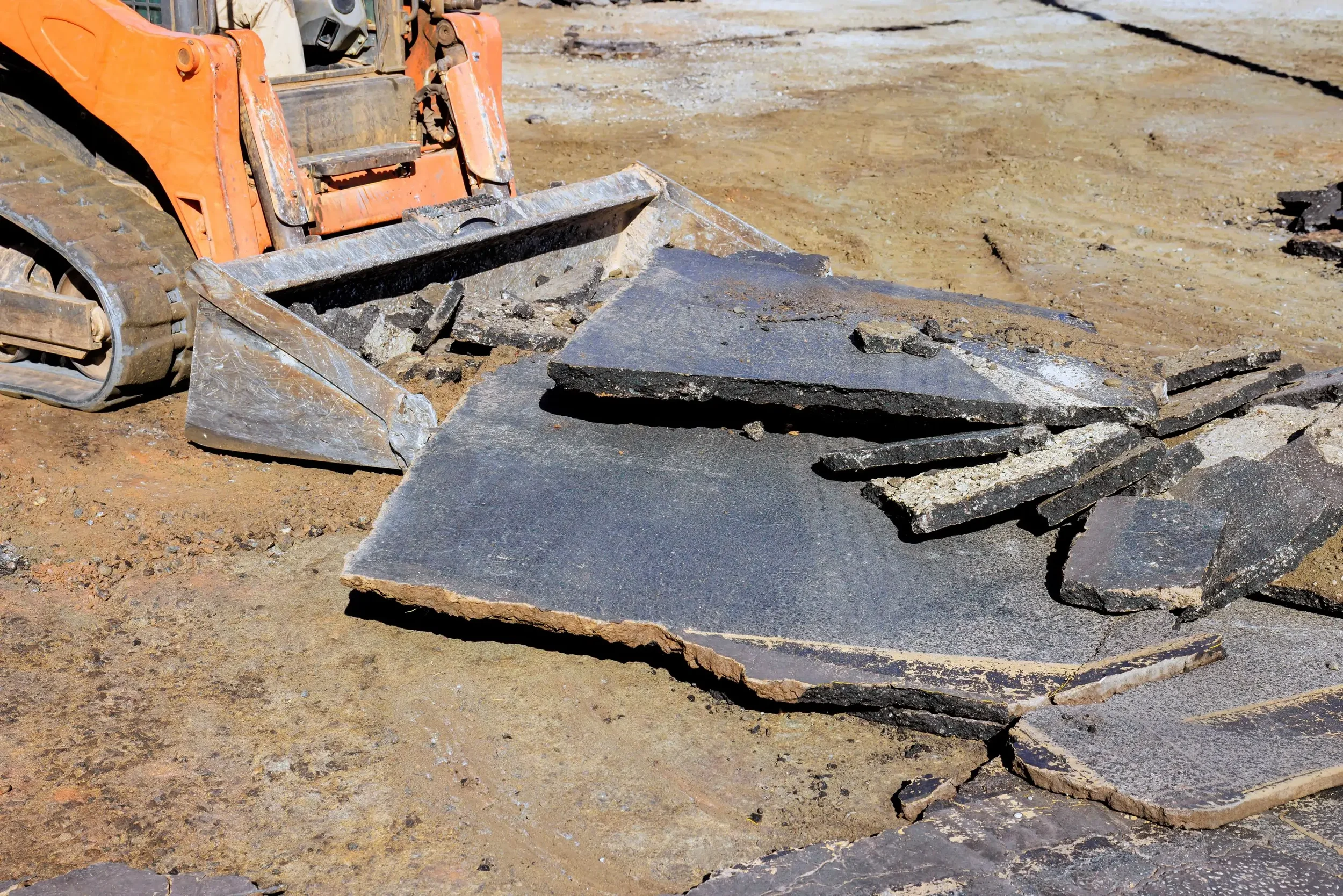
Active demolition can involve machinery such as excavators, skid steers, and hydraulic breakers, depending on the type and size of the structure. For more delicate spaces or interior demolitions, crews may use manual methods to avoid unnecessary structural damage. Contractors work in a controlled sequence to prevent collapse and keep the project progressing safely.
Noise levels increase during this stage, and vibrations are common. Dust suppression is used to limit airborne debris, and safety personnel monitor conditions throughout the process. Once materials begin to accumulate, crews coordinate waste hauling through reliable partners. Many clients turn to Go Junk Go’s construction debris services to keep the site clean and maintain workflow efficiency.
Debris Removal and Site Cleanup
After the structure is dismantled, debris removal becomes the primary focus. Materials are sorted for disposal or recycling, and dumpsters or hauling trucks are scheduled as needed. Items like metal, concrete, and wood are processed separately to reduce waste and lower disposal fees.
Cleanup continues until the area is safe, clear, and ready for its next phase. Whether the site is preparing for rebuilding, landscaping, or new construction, debris removal plays a crucial role in preventing delays. Homeowners and business owners who need dependable cleanup support can reach out to Go Junk Go for hauling and site clearing.
Timeline Expectations and Project Completion
Demolition timelines vary depending on the size of the structure, weather conditions, permit processing, and the amount of material involved. Small interior demolitions may take a single day, while full building removals can span several days to several weeks. Unexpected findings, such as hidden structural damage or hazardous materials, can add time to the project.
Once demolition is complete, contractors perform a final inspection to ensure all materials are cleared and the site is safe for its intended next step. Clients who have questions about prepping their site or want reliable post demolition support can contact the team for guidance.
