
Measure the Bay and Park Indoors Before Winter in Metro Vancouver
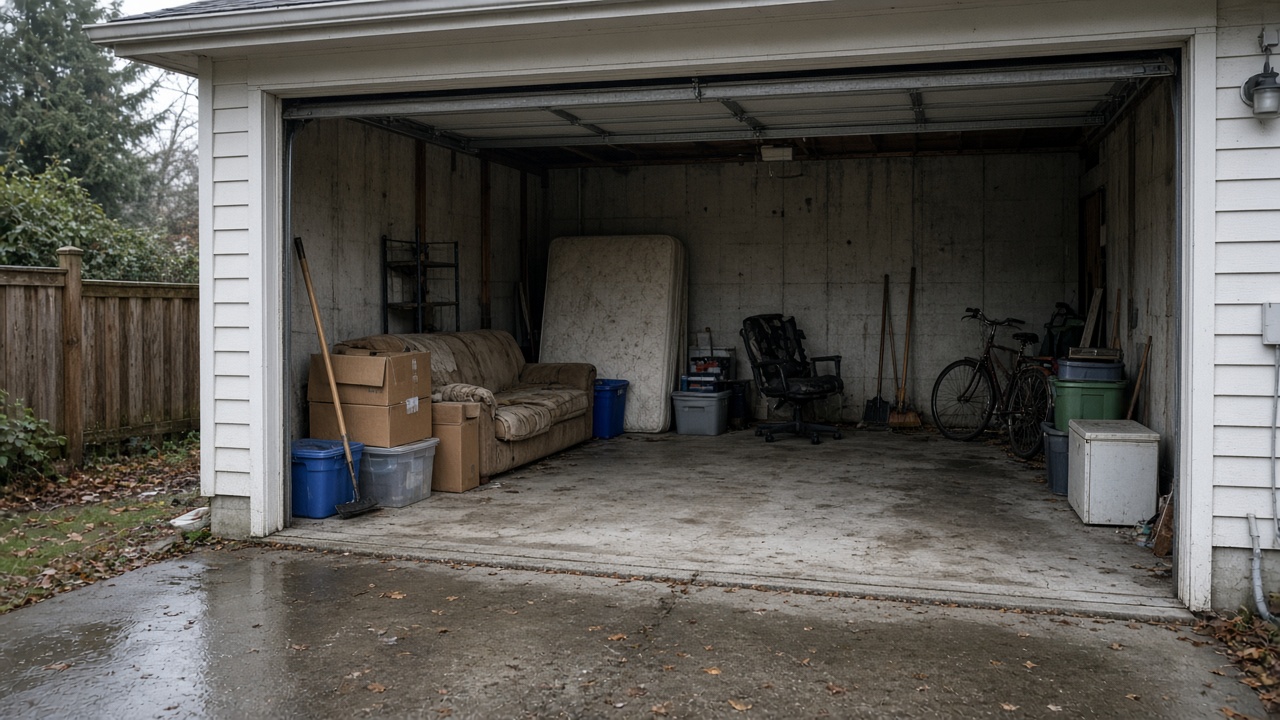
The car has been on the driveway since the weather was decent. Late October in Metro Vancouver adds a daily cost: rain on the paint, a wet windshield in the dark, and frost, then the occasional snow, still ahead. Boxes, a spare mattress, a sofa, sports gear, and a freezer filled the bay, so the car sits outside.
This is the parking plan: measure the space the car needs, name what blocks that rectangle, then keep, donate, or haul. Cardboard, paint cans, and failed appliances are covered separately in our pre-rain garage cleanout. A full weekend garage-and-basement sort is covered separately in garage and basement cleanouts. The job here is one clear bay before winter.
Why late October is the parking window
Rain is the normal morning. Wet season is underway across Metro Vancouver and the Fraser Valley. A car left out takes on water in the seals, under the mats, and on the glass.
Mornings are getting darker. Late October shortens the day, and early November makes the commute start darker still. Loading in the open is the daily cost of a full bay.
Frost and occasional snow come later. Clear the floor while the walk is easy. Lows can near freezing as the season goes on, and the Lower Mainland does see occasional snow.
Hosting leftovers often took the last metre. Chairs, an air mattress, and party bins are covered separately in our post-Thanksgiving declutter guide. If they are what closed the bay, they can leave with this haul.
The path to the truck is better this month. Crews need a straight walk from the bay to the curb. Same-day or next-day pickup may be possible when the schedule allows.
Measure the bay before you move a box
Start with a tape and chalk.
Length. Many compact and mid-size cars need roughly 4.5 to 5.5 metres from the closed door to the back wall, plus a little room at the bumper. Measure yours, then add about 60 to 90 centimetres. A shelf, a hanging bike, or the door track can steal that margin.
Width. A single bay is often about 3 metres until stored goods narrow it. Allow the car’s width, room for the driver’s door, and the passenger door if someone rides along. Mirrors count.
Height and the door. A rack or taller vehicle needs clearance, and anything overhead has to clear the roof. The door needs its full arc. Boxes in that path stop it short and leave the car half outside.
Chalk what “parked” means. Mark the rectangle for the daily driver, and a labelled corner if winter tires share the stall. Anything inside the driving chalk is in the way. Shelves outside it can stay.
What typically blocks the parking bay
Walk the rectangle. Storage outside the line can stay.
Furniture that never found a room
Worn or unwanted pieces fit furniture disposal.
Mattresses and soft goods
Failed mattresses are a mattress disposal job. Beds inside the house are covered separately in fall mattress and furniture before damp.
Appliances where the bumper should be
Mention if it is plugged in when you book appliance disposal. Fridge and water-heater timing is covered separately in appliance removal before winter.
Gear and overflow
Shed overflow is covered separately in fall shed and workshop cleanout. A storage unit kept because the garage is full is covered separately in fall storage unit cleanout.
Set these aside. Paint, stain, solvents, fuel, propane, and unknown containers. Tell us when you book. Policies for specialty items can vary.
Keep, donate, or haul
We recycle and donate when possible. Share photos so the team can plan. Pricing is quoted by volume, and the firm price is confirmed on-site. Request a free quote, or read how volume quoting works on our junk removal page.
Why the car should come in before winter
Rain wets the seals and mats, and the glass fogs before you leave. Darker November mornings are easier under a roof. Frost is common enough to plan for in a mild coastal year, and the occasional snow still strands a car with nowhere indoors to go. Some blocks limit overnight street parking, and some stratas expect the vehicle in the stall. Check your municipality and your building, and mention any loading window when you book.
What you can prep before the crew arrives
A general pickup list is covered separately in how to prepare for a junk removal pickup.
Safe DIY prep:
Leave to the crew when you are unsure: heavy appliances, sofas, and mattresses on a slope, and anything that may hide glass or fasteners. A partial clear is normal. Say if you only want the chalked area cleared.
Single item vs a full haul
Lean single-item pickup when one sofa, freezer, or mattress is the only blocker and the walk to the street is straightforward.
Lean multiple items or residential junk removal when furniture, boxes, gear, and an appliance share the lane, or you want one visit instead of donation runs that slip.
A bin is a different tool. A multi-day sort is covered separately in bin rental or junk haul. A car usually needs the floor clear on a set day, and a bin in the drive can block that bay. See bin rentals if a bin fits better.
Shelving can pair with scrap metal removal. Dead electronics fit electronic disposal. Mixed rubbish may align with garbage disposal. Same-day junk removal may be possible when the schedule allows.
Late-October parking checklist
1. Measure the car and chalk the bay, including door swing and mirrors
2. Mark each item in the rectangle as keep, donate, or haul
3. Put a short deadline on donations so rejects do not return
4. Set paints, fuels, propane, and unknown containers aside, and mention them when you book
5. Stage the haul pile by the door and clear a path to the truck
6. Photograph the bay, the door, and street or lane parking
7. Request a free quote and note that the goal is a parking bay
8. Book while the path is still workable
9. Park the car the same day so the bay does not fill back up
Ready to clear the bay before winter?
A garage that cannot hold a car is storage with a door. Late October is a practical time, across Metro Vancouver and the Fraser Valley, to measure the bay and haul what does not belong before rain, dark mornings, frost, and the occasional snow leave the car outside. Go Junk Go handles that pile as part of residential junk removal, and we recycle and donate when materials allow. Pricing is quoted by volume, with the firm price confirmed on-site.
Get a Free Quote or call (604) 358-2328. We are available Monday to Sunday, 6:00 AM to 8:00 PM.
Prefer email? Reach us at info@gojunkgo.ca. Send photos of the parking bay and the path to the truck so we can plan the visit around your weather window.
Ready to Get Started?
Contact GoJunkGo today for professional junk removal services in Vancouver. We're here to make your cleanup easy and eco-friendly.
Get A Free QuoteRelated Articles
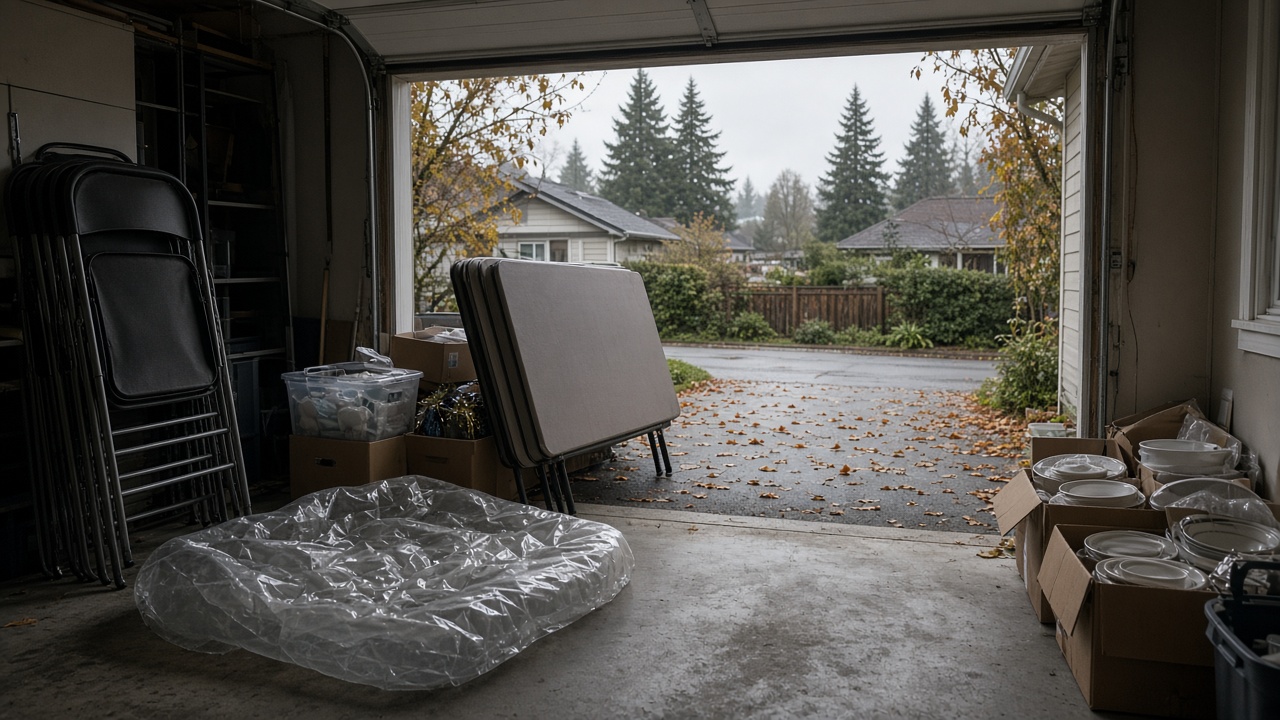
After Thanksgiving: Clear the Hosting Leftovers Before Wet Season in Metro Vancouver
Guests gone? Clear folding chairs, air mattresses, party tables, and garage overflow before wet season locks clutter into Metro Vancouver homes.
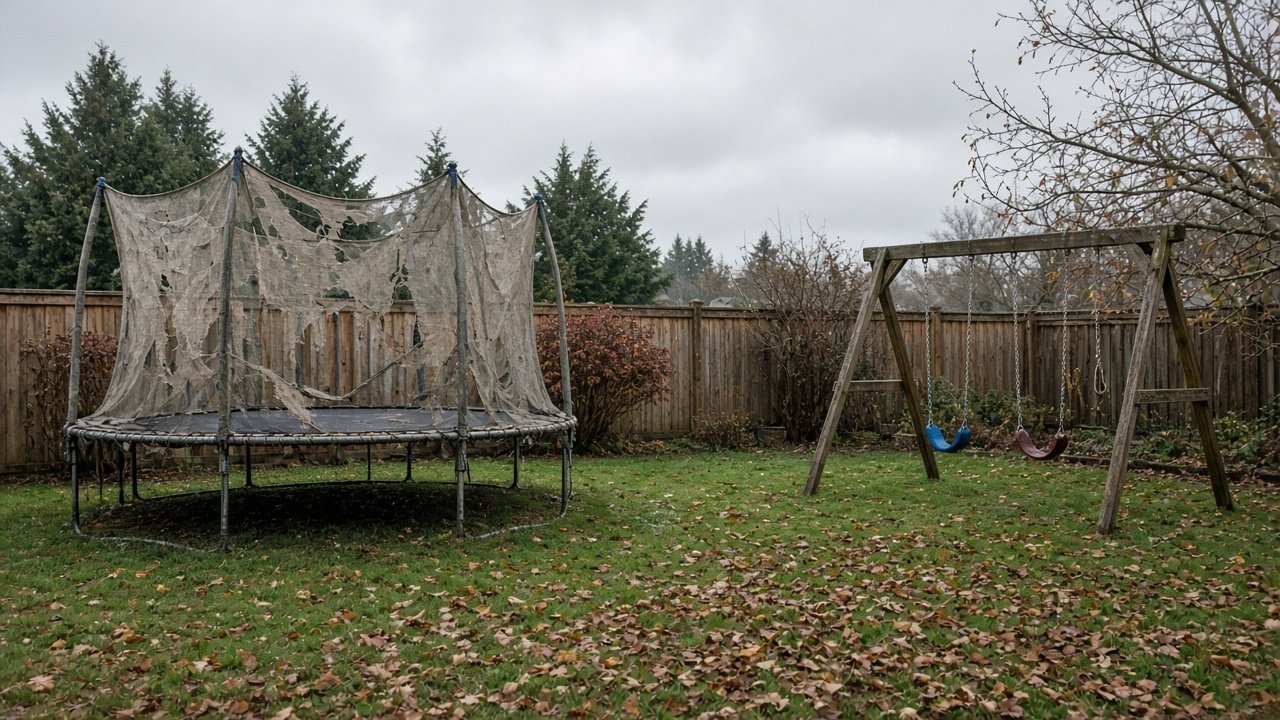
Pull the Trampoline Before the Rains: Fall Playset Removal in Metro Vancouver
Unused trampoline taking yard space? Fall is the window to remove playsets before rust, moldy pads, and wet-season flooding in Metro Vancouver.
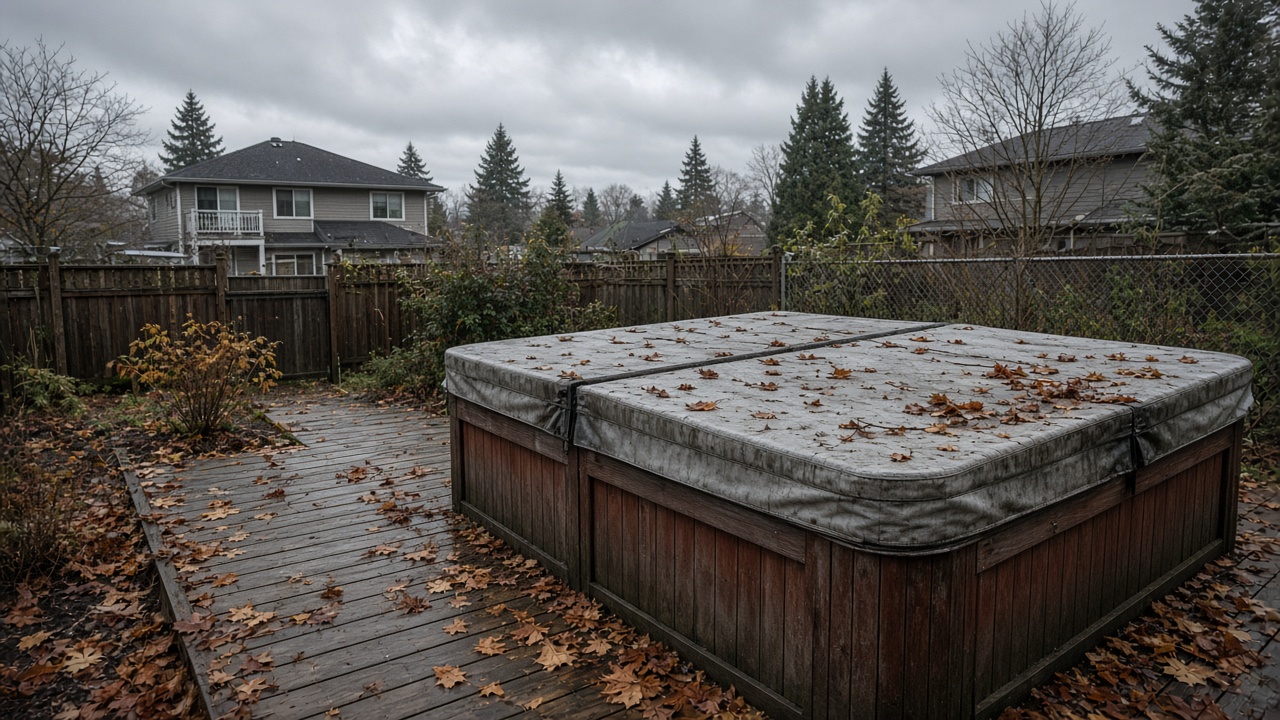
Drain the Spa Before Freeze: Fall Hot Tub Removal Timing for Metro Vancouver
Unused spa taking patio space? Fall is the smart window to drain and remove a hot tub before freeze stress and wet-season clutter in Metro Vancouver.