
Donation vs Junk Removal
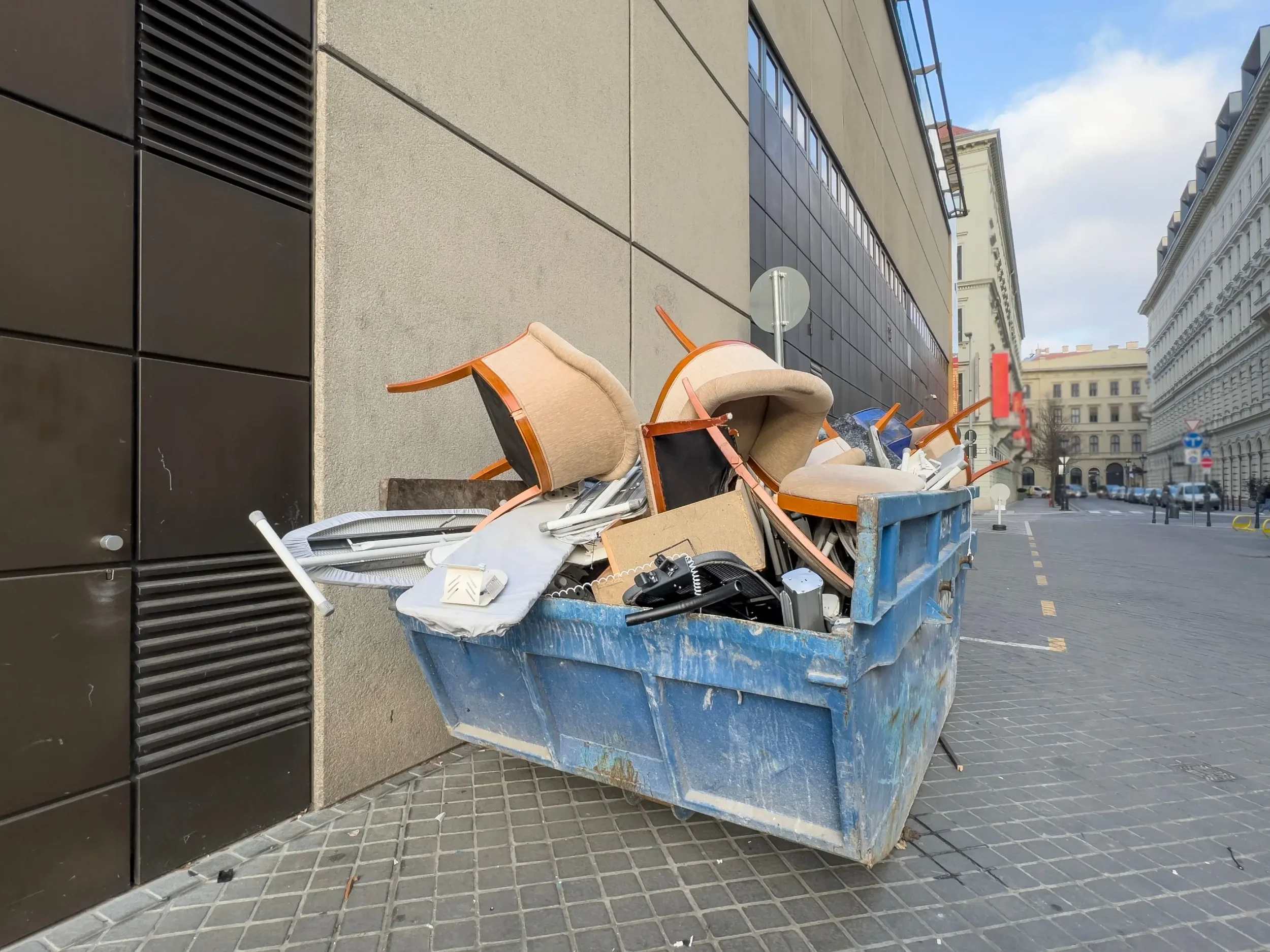
Deciding what to do with unwanted items is not always straightforward. Some items can be reused or passed on, while others are no longer suitable for donation and need proper disposal. During cleanouts, moves, or renovations, people often struggle to determine which option makes the most sense. In practice, Go Junk Go frequently sees situations where both donation and junk removal play a role in clearing a space responsibly.
When Donation Is the Better Option
Donation works best when items are still usable, clean, and safe for someone else to use. Many charities and donation centers accept household goods that meet basic condition standards.
Furniture such as sofas, tables, and chairs are good donation candidates if they are structurally sound and free of heavy stains, odors, or damage. Appliances can often be donated if they are fully functional and meet current safety standards. Electronics that power on and operate properly may also be accepted, depending on the organization.
Clothing, small household items, and decor in good condition are often easy to donate, especially when they are boxed or bagged neatly. Donation is most practical when items are easy to transport and accepted by local organizations without extensive coordination.
When Junk Removal Is Necessary
Junk removal becomes the better option when items are broken, unsafe, or no longer usable. Heavily worn furniture, damaged mattresses, and items with mold or pest issues typically cannot be donated.
Appliances that no longer work, electronics that are outdated or nonfunctional, and items missing key components often require proper disposal. Large volumes of material from cleanouts or renovations also fall into this category, as donation centers usually cannot handle bulk or mixed loads.
In these cases, working with Go Junk Go junk removal specialists ensures items are removed efficiently and handled according to disposal regulations.
Convenience and Time Considerations
Donation often requires more effort than people expect. Items must be sorted, cleaned, and transported to a drop off location, or scheduled for pickup if available. Some organizations have limited acceptance windows or strict condition requirements, which can lead to delays.
Junk removal prioritizes convenience. Items are removed in a single visit, without the need for sorting or multiple trips. This is especially helpful during tight timelines, such as move out deadlines or renovation schedules.
Cost Comparison Between Donation and Junk Removal
Donation is usually free, but it still comes with indirect costs. Time spent organizing, transporting items, and coordinating drop offs can add up. Vehicle rental or fuel costs may also apply when moving large items.
Junk removal involves a service fee, typically based on volume or load size. While there is an upfront cost, it often replaces hours of labor and logistical planning. For many people, the tradeoff between time and money makes removal the more practical option.
Environmental Impact and Responsible Disposal
Donation supports reuse and extends the life of items, keeping them out of landfills. When items are in good condition, donation is often the most environmentally friendly choice.
Responsible junk removal still plays an important role. Reputable removal services sort materials for recycling and proper disposal, diverting as much as possible from landfills. Items that cannot be donated may still be recycled or processed responsibly.
How to Decide What Makes Sense for Your Situation
The best choice depends on item condition, volume, timeline, and personal capacity. Donation works well for smaller quantities of usable goods when time allows. Junk removal is often necessary for damaged items, large volumes, or situations where speed and simplicity matter.
Many cleanouts involve a combination of both. Donating what can be reused while removing the rest helps clear spaces efficiently without unnecessary waste.
Getting Help With the Process
When deciding how to handle unwanted items becomes overwhelming, professional support can simplify the process. For those dealing with mixed loads or tight schedules, the pickup coordination team can help determine the most practical next steps and arrange removal when donation is not an option.
