
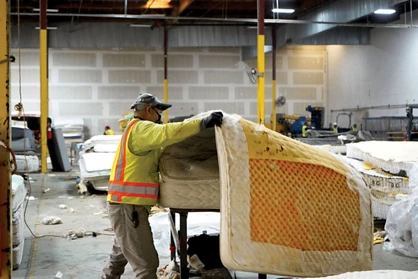
Why Mattresses Can't Simply Go in the Dump: A Technical Guide to Mattress Disposal in Vancouver
Why Mattresses Can't Simply Go in the Dump: A Technical Guide to Mattress Disposal in Vancouver
Mattresses appear simple. Fabric. Foam. Springs.
In reality, they are one of the most complex and problematic waste streams in North America.
Each year, thousands of mattresses are discarded across Vancouver and the Lower Mainland. While it may seem reasonable to take a mattress to the landfill, modern waste engineering, environmental regulation, and material science explain why mattresses cannot simply be "thrown in the dump" without consequence.
This guide explains what mattresses are made of, what happens when they enter a landfill, and how disposal works in Vancouver, British Columbia.
What Is a Modern Mattress Made Of?
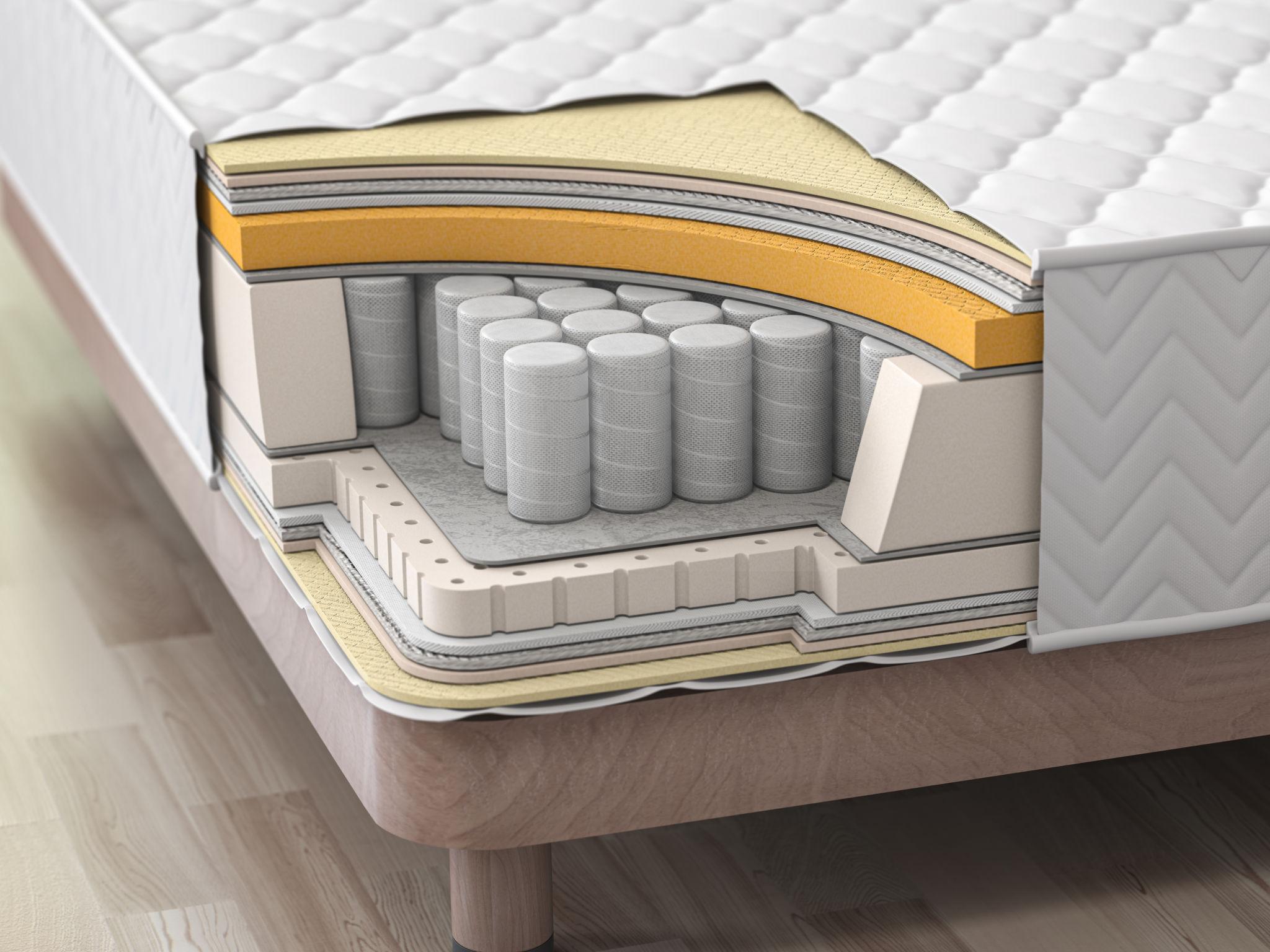
A typical mattress contains multiple engineered materials:
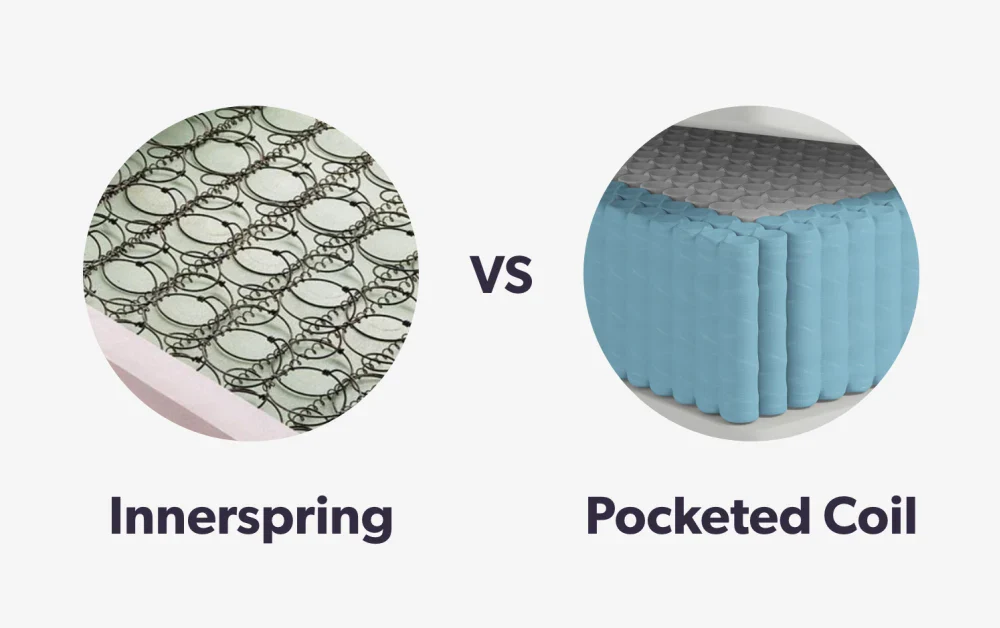
Each component behaves differently in landfill conditions.
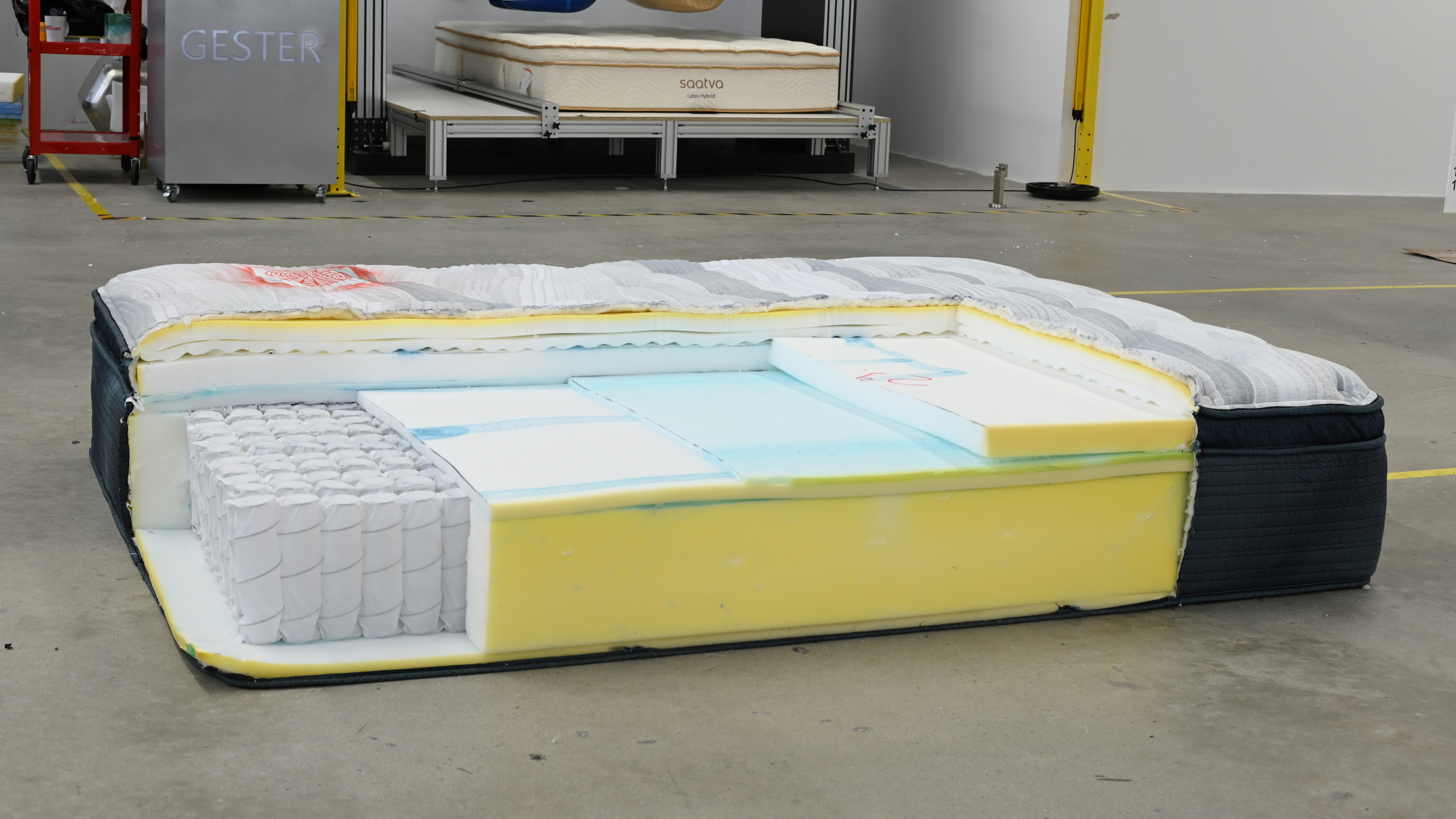
Why Mattresses Are a Major Landfill Engineering Problem
1. They Do Not Compact Efficiently
Modern landfills rely on mechanical compaction to reduce volume. Heavy compactors compress municipal solid waste to maximize airspace efficiency.
Mattresses resist compaction because:
The result: mattresses consume up to three times more landfill airspace per tonne compared to typical household waste.
Landfill airspace is extremely valuable. In Metro Vancouver, landfill capacity planning is measured decades in advance. Bulky, non-collapsible waste accelerates space depletion.
2. Steel Coil "Springback" Damages Equipment
Steel coils can:
This increases operational costs and safety risk at waste facilities.
3. Fire Risk & Heat Retention
Mattresses contain:
While treated for residential fire resistance, in landfill environments these materials can contribute to deep-seated smoldering fires if ignited.
Landfill fires are particularly dangerous because:
4. Slow Decomposition of Synthetic Materials
Polyurethane foam does not biodegrade efficiently.
Instead, it:
Steel coils may eventually corrode, but only after long-term exposure to moisture and acidic landfill conditions.
Mattresses are estimated to take decades to meaningfully break down in anaerobic landfill environments.
Mattress Recycling: Why It Exists
Because of these engineering challenges, mattress recycling programs were developed.
A properly recycled mattress can yield:
In British Columbia, mattress recycling helps reduce landfill burden and supports waste diversion goals.
How Mattress Disposal Works in Vancouver
In Vancouver and the Lower Mainland:
Mattresses cannot be left for standard curbside garbage pickup.
They must be transported to:
Disposal often includes:
These fees reflect the additional processing required.
Why Dumping a Mattress Illegally Is a Serious Issue
Illegal mattress dumping is common because of bulk and cost.
However, it creates:
Mattresses left outdoors absorb moisture, degrade rapidly, and become breeding grounds for pests.
Municipal cleanup ultimately increases taxpayer burden.
The Environmental Impact in Metro Vancouver
Metro Vancouver has aggressive waste diversion targets.
Mattresses represent a disproportionately large portion of bulky waste volume relative to weight. Their diversion from landfill contributes significantly to:
Every mattress recycled instead of buried helps preserve landfill airspace.
Technical Summary
Mattresses cannot simply go in the dump because they:
They are not dangerous in the traditional hazardous waste sense. They are problematic from a waste engineering and infrastructure standpoint.
Responsible Mattress Disposal in Vancouver
If disposing of a mattress in Vancouver:
Understanding the technical challenges behind mattress disposal helps explain why proper handling is required.
How Go Junk Go Handles Mattress Disposal
At Go Junk Go, we ensure every mattress is disposed of responsibly:
We understand the technical and environmental challenges of mattress disposal and handle every step professionally.
Get Professional Mattress Disposal in Vancouver
Don't risk illegal dumping or improper disposal. Contact Go Junk Go today for fast, responsible mattress removal throughout Vancouver, Burnaby, Richmond, Surrey, and the Lower Mainland.
Our licensed team handles all the heavy lifting and ensures your mattress is processed through proper recycling channels, not simply dumped in a landfill.
Same-day service available. Call **(604) 358-2328** for a free quote.
Ready to Get Started?
Contact GoJunkGo today for professional junk removal services in Vancouver. We're here to make your cleanup easy and eco-friendly.
Get A Free QuoteRelated Articles

Piano Removal in Vancouver: How to Get Rid of an Old Piano Safely
How to dispose of a piano in Vancouver - why pianos are so hard to move, whether anyone will take a free piano, donation options, and what professional piano removal costs.

How to Get Rid of a Treadmill or Exercise Equipment in Vancouver
Treadmill and exercise equipment disposal in Vancouver - selling vs donating old gym gear, why treadmills are so hard to move, what parts get recycled, and how pickup works.
Old TV and Electronics Disposal in Vancouver: What's Free, What's Not
How to dispose of old TVs, computers, and electronics in Vancouver - free Return-It Electronics depots, why e-waste can't go in the garbage, and when a pickup makes sense.