
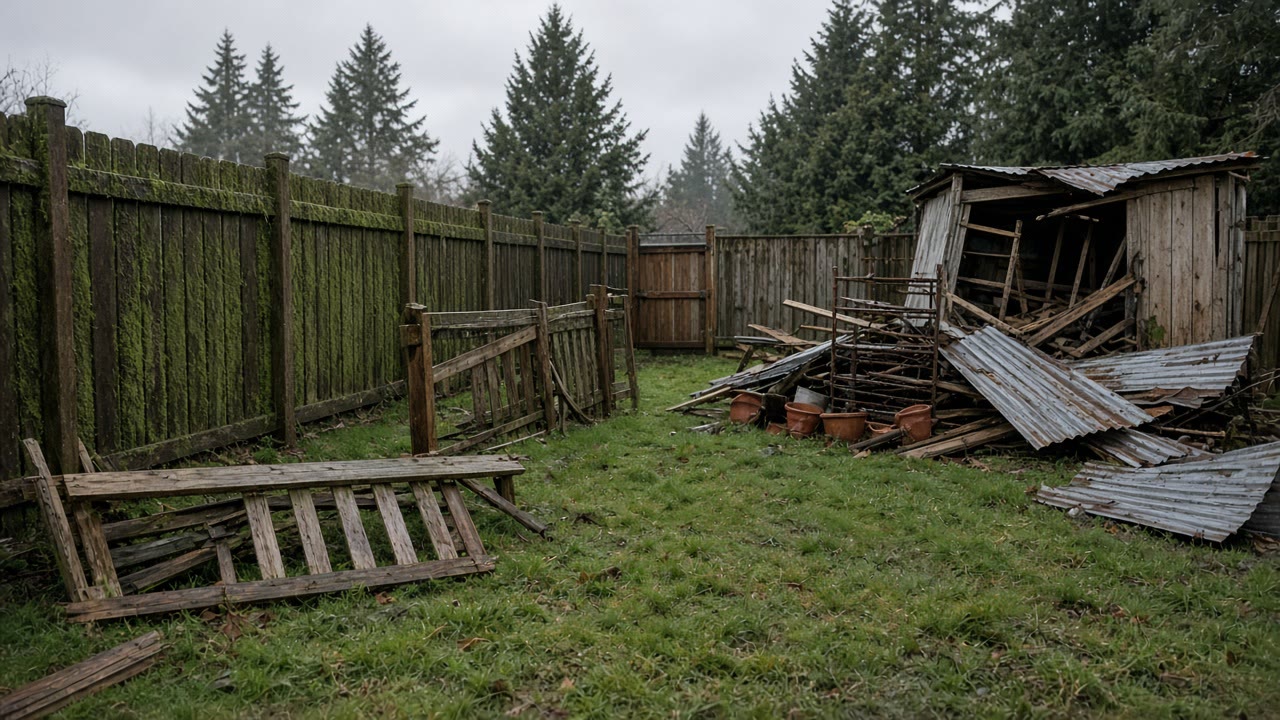
What to Haul After November Wind Drops a Fence or a Shed in Metro Vancouver
The fence panel is on the lawn, and the lattice is in pieces beside the gate. At the back of the yard the garden shed has shifted off its blocks. One wall is down, the metal roofing is peeled back, and pots and a rusted shelf have spilled onto the grass. Late October in Metro Vancouver is when the first strong November wind shows up in the forecast. A panel already down does not get lighter while you wait for a dry Saturday.
This post is the after plan: broken fence sections, a shed that has come down, and the limbs and roofing already on the ground. Green waste before the rains is covered separately in our fall yard waste and storm debris guide. Patio chairs, a grill, and planters are covered separately in backyard clearout before November. A shed you can still walk into is covered separately in fall shed and workshop cleanout. Outdoor furniture already due to leave is covered separately in fall patio clearout.
Why the days after a November wind matter
The first system is rarely the last. November on the coast brings more wind and more rain. A panel on the lawn soaks and gets heavier. An open shed roof lets the next rain into whatever is still inside.
Daylight gets shorter on November 1. The clocks fall back. A wet carry after dark is slower than a pickup booked while you can still see the pile.
The path goes soft fast. Lanes in Vancouver, Burnaby, Surrey, and the Fraser Valley turn to mud after a day of rain. Same-day or next-day pickup may be possible when the schedule allows. Share photos so the team can plan the gate, the lane, and what is safe to touch.
What typically piles up after the wind
Walk the fence and the shed only if it is safe. Stay off the roof, and stay clear of a wall that is still leaning. If a wire is down, or a limb is on a line, leave it and call the utility. The haul is what is already on the ground.
Broken fence panels and rails
A shed that has come down
What spilled out of the shed
Limbs and brush already down
Torn covers the wind moved
Set these aside. Paints, solvents, fuels, pesticides, and unknown containers. Propane tanks vary by policy. Set them aside and tell us when you book. If the roof is old cement board, or you suspect asbestos in other pre-1990 material, do not break it up. Suspected asbestos needs a clearance letter before that material can be cleared.
Keep, donate, or haul
We recycle and donate when possible. Pricing is quoted by volume, and the firm price is confirmed on-site. Request a free quote, or see how volume quoting works on our junk removal page.
What this visit is, and what it is not
Loose pieces already on the ground can leave. Panels, rails, roofing, and a door in the grass are a haul. Posts still in concrete, and any section still standing, stay. We do not reset posts or hang new panels.
Taking a building down is not this crew. Soft demolition here is interior tear-outs, covered separately on our demolition page. A shed that is still standing, even if it leans, is not a teardown. Keep people clear and say so when you book. The haul is the pile already down.
Tree work in the air comes first. A limb on a roof, or wood hung in another tree, needs an arborist before a haul. Once it is on the ground and safe to reach, it can leave with the yard-waste load. A stump still in the ground is a different ask. Call ahead.
Keep other jobs on their own plans. A shed you can still walk into is the shed and workshop cleanout. Do not drag debris into the garage, covered separately in park the car before winter. A folded trampoline, a spa that lost its cover, and Halloween props are covered separately in fall playset removal, fall hot tub removal before freeze, and seasonal decor clearout. Propane cylinders are covered separately in BBQ and propane tank disposal. Set the tank aside.
What the next rain does if the pile stays
Wet cedar and plywood gain weight overnight. Torn metal roofing holds water, and cardboard from the shed picks up mold. A limb across a lane blocks the truck that would haul it.
Check your municipality's rules for boulevard and lane debris, and keep loose pieces on your side of the line when you can move them safely.
Some stratas limit yard storage and book loading areas in short windows. Mention the lane, a townhouse path, and any booking window when you request the quote. Many houses in Vancouver, Burnaby, Surrey, and Coquitlam load from a lane, so note permit parking and the gate width. Do not stack soaked panels against the siding, and do not park the pile in the spare room. That room is covered separately in clear the spare room before Christmas.
What you can prep before the crew arrives
A general pickup list is covered separately in how to prepare for a junk removal pickup.
Safe DIY prep:
Leave to the crew when you are unsure: a wall still partly attached, a roof sheet you would have to climb for, a limb you cannot see the end of, and anything near a wire. Do not cut a standing tree or pull posts out of concrete. Say what is still attached when you book.
Single item vs a full haul
Lean single-item pickup when one panel, one door, or one small limb is the only thing leaving and the walk is straightforward.
Lean multiple items or residential junk removal when panels, shed debris, and household junk share the day.
Lean yard waste disposal when the load is mostly branches and a limb already on the ground. Keep painted lumber out of that pile.
Lean scrap metal removal when the pile is mostly bent roofing and a steel frame. Mixed wood and metal can still share one truck.
A bin is a different tool. A multi-day rebuild is covered separately in bin rental or junk haul. See bin rentals if a bin fits the rebuild better. Same-day junk removal may be possible when the schedule allows.
Windstorm debris checklist
1. Stay clear of downed wires, a hanging limb, and any wall that is still leaning
2. Photograph the fence, the shed pile, and the path to the truck
3. Sort loose panels and spilled junk apart from branches and brush
4. Set propane, paints, fuels, and suspected old roofing aside, and say so when you book
5. Leave standing posts, a section that still holds the yard, and a shed that is still up
6. Keep the pile off the public sidewalk and out of the garage if you can move it safely
7. Request a free quote and note fence panels, shed debris, metal roofing, or limbs, plus a lane or a gate
8. Book while the path is still firm and before the next rain
9. Leave anything you will reuse this month under cover, not in the haul stack
Ready to clear the windstorm pile before the next rain?
A fence panel on the lawn and a shed that has already come down do not need to sit through the next November system. Across Metro Vancouver and the Fraser Valley, Go Junk Go can take that storm pile as part of residential junk removal and yard waste disposal, and we recycle and donate when materials allow. Pricing is quoted by volume, with the firm price confirmed on-site.
Get a Free Quote or call (604) 358-2328. We are available Monday to Sunday, 6:00 AM to 8:00 PM.
Prefer email? Reach us at info@gojunkgo.ca. Send photos of the fence, the shed pile, and the path to the truck so we can plan the visit around your weather window.
Ready to Get Started?
Contact GoJunkGo today for professional junk removal services in Vancouver. We're here to make your cleanup easy and eco-friendly.
Get A Free QuoteRelated Articles
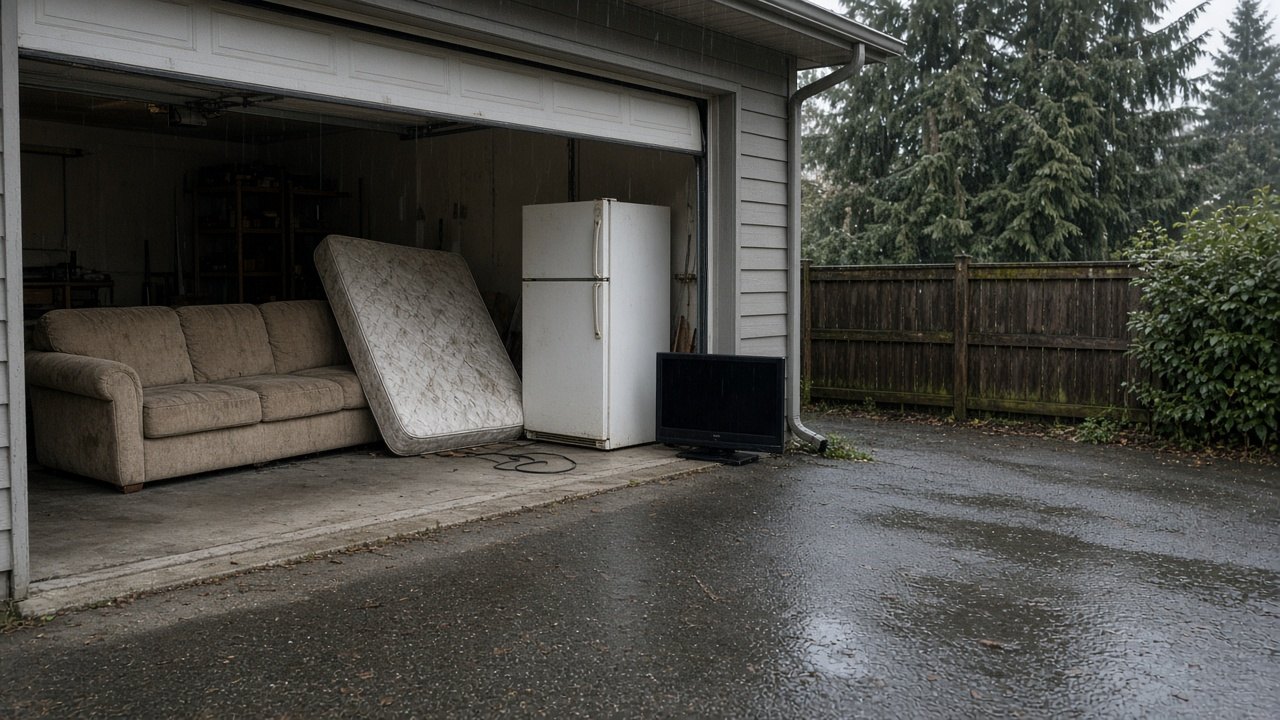
Make Room Before Black Friday: Haul the Old Couch, Fridge, or TV in Metro Vancouver
Couch, mattress, fridge, washer, or TV on order for Black Friday? Compare retailer haul-away with a separate pickup, and clear the old piece before delivery day in Metro Vancouver.
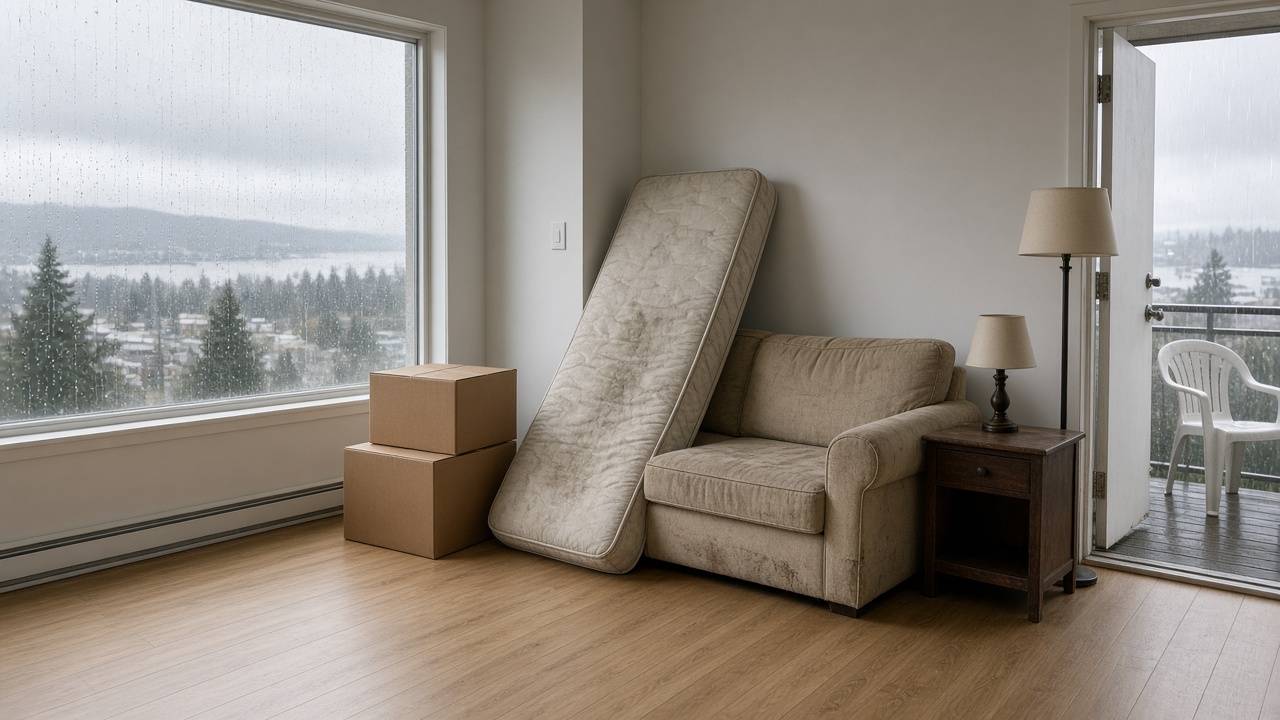
November 1 Move-Out: Leftover Furniture, Mattresses, and Junk in Metro Vancouver
Lease ends October 31 and the next person starts November 1? Sort furniture, mattresses, and leftovers, book pickup before move day, and leave the unit empty in Metro Vancouver.
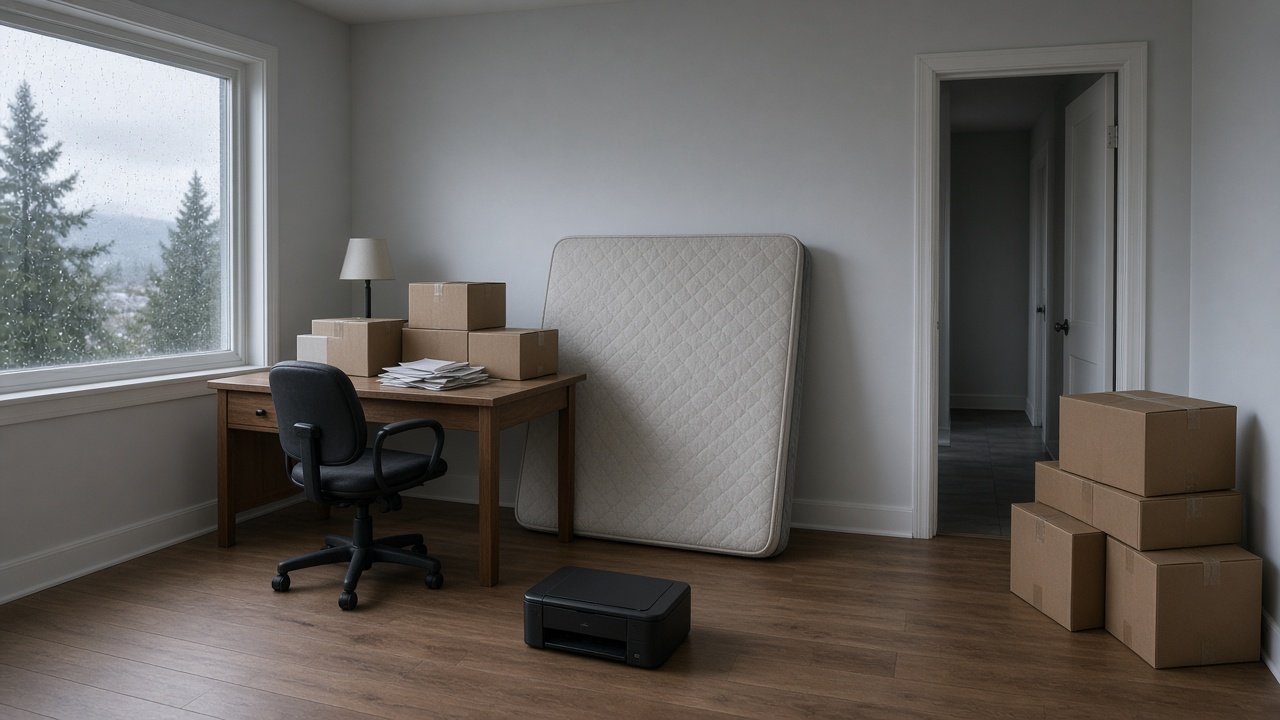
Clear the Spare Room Before Christmas: Guest Room or Home Office in Metro Vancouver
Spare room still a desk, a guest mattress, and boxes? Decide guest room or home office, then haul the rest before Christmas visitors arrive in Metro Vancouver.